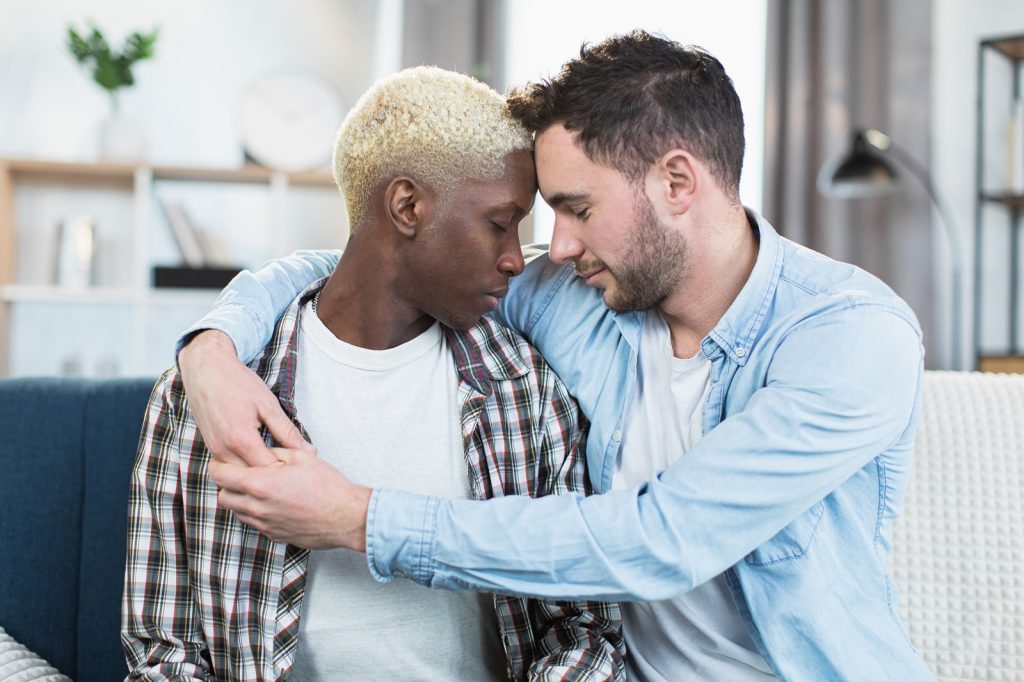
Resolve Interpersonal Conflicts
Interpersonal Conflicts
LGBTQ+ individuals may seek therapy to resolve interpersonal conflicts that arise both within personal relationships and in broader social contexts. These conflicts often stem from identity-related stress, societal stigma, or differences in understanding and acceptance between the individual and others.
Therapy provides a safe, affirming space to explore these dynamics, develop communication skills, and strengthen healthy connections.
Key Reasons Therapy Supports Conflict Resolution for LGBTQ+ Individuals:
- Family Conflict:
Many LGBTQ+ individuals experience tension or rejection from family members due to their sexual orientation or gender identity. Therapy can help clients navigate difficult conversations, establish boundaries, and work toward mutual understanding or acceptance where possible. - Romantic or Intimate Relationships:
Relationships may be impacted by internalized stigma, societal pressures, or differing levels of acceptance of one another’s identities. A therapist can help couples or partners improve communication, resolve misunderstandings, and build stronger emotional intimacy. - Friendship or Peer Conflicts:
Disagreements or exclusion among peers can be intensified by issues related to identity, such as microaggressions or lack of awareness. Therapy helps individuals develop assertiveness, empathy, and conflict-management strategies to maintain meaningful friendships. - Workplace or Community Tensions:
LGBTQ+ individuals may face subtle or overt discrimination in professional or social settings, leading to interpersonal challenges with colleagues, supervisors, or community members. Therapy can provide tools for navigating these situations safely, advocating for oneself, and reducing stress caused by conflict. - Internalized Conflict:
Sometimes the most challenging conflicts are internal—struggling to reconcile identity with personal beliefs, cultural expectations, or societal pressures. Therapy helps individuals explore these internal tensions, reduce self-criticism, and cultivate self-compassion.
By addressing both external and internal sources of conflict, therapy empowers LGBTQ+ individuals to improve relationships, communicate effectively, and foster a greater sense of emotional well-being and stability.